Key advantages
• Sound insulation and sound absorption combined in one product
• Fire-retardant melamine acoustic foam
• Heavy mass membrane to reduce sound transmission
• Suitable for airborne noise and structure-borne vibration
• A professional solution for machinery and industry
• Multi-layer construction for improved performance
• Relatively simple installation
• Withstands temperatures from -30°C to +70°C
Why this product
Most materials address only one problem – either sound absorption or sound insulation.
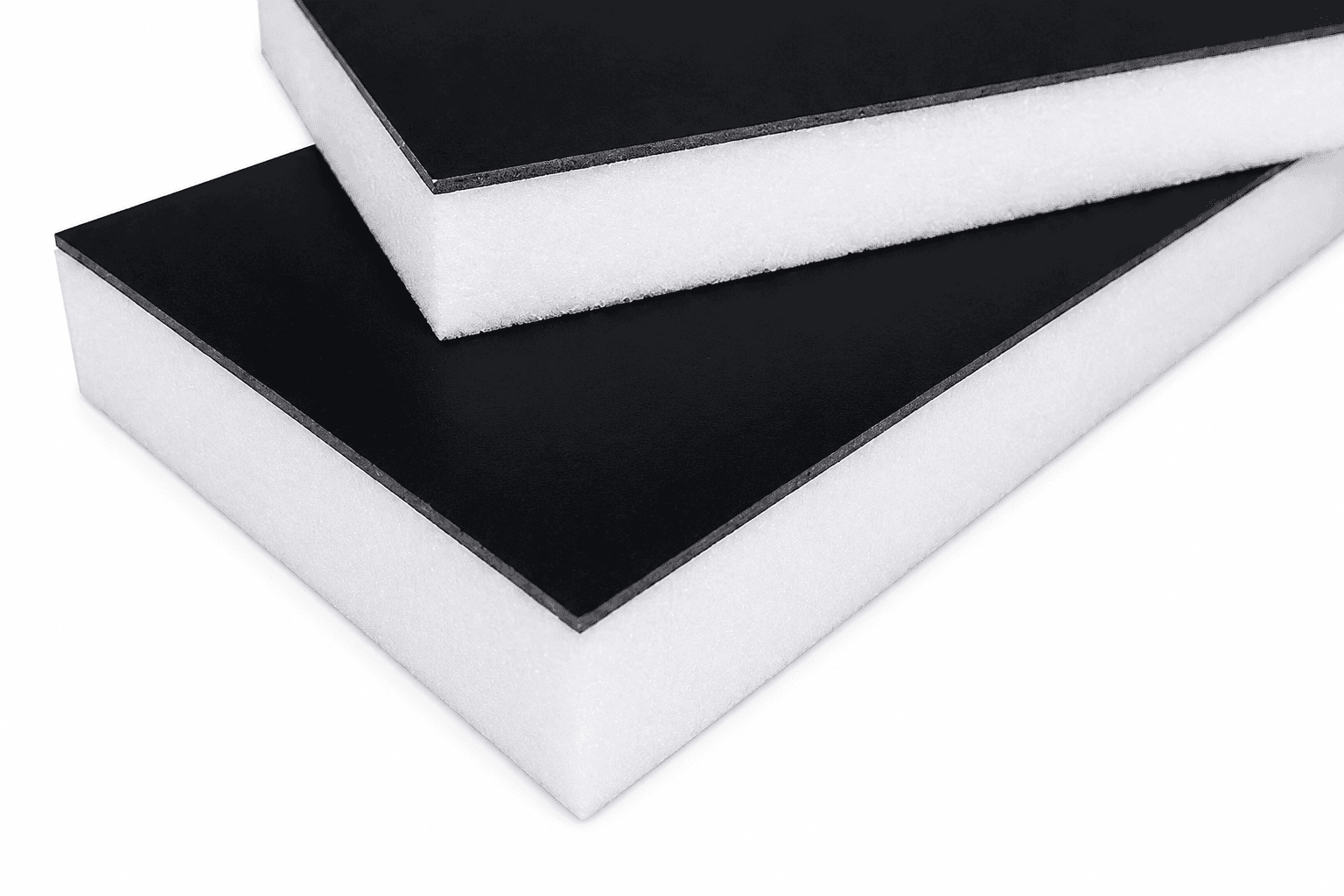
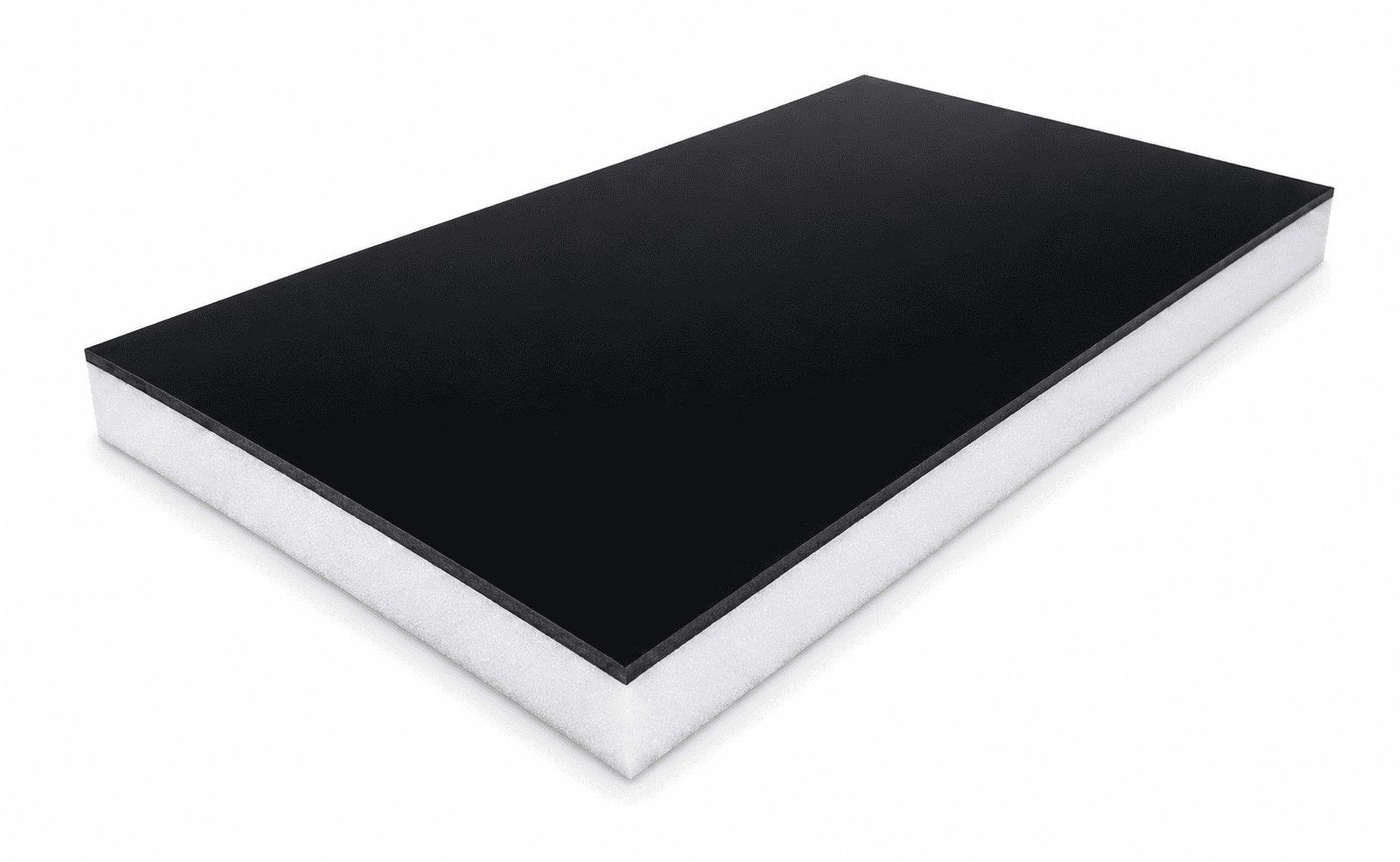
Noiseflex Panino MH combines both functions in a single system:
A melamine foam layer that absorbs sound waves
A heavy mass layer that reduces sound transmission
The result is a particularly effective solution for technical and industrial spaces.
Technical product description
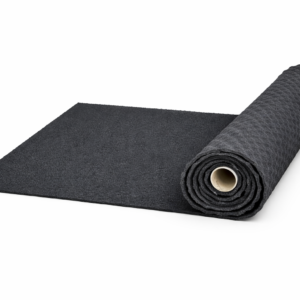
A composite acoustic system comprising a 15 mm Noiseflex MH melamine foam panel combined with a Noiseflex Vibra Heavy membrane weighing 8 kg/m².
Combining a sound-absorbing material with a high-mass material delivers more effective noise reduction than using either material on its own.
The system is particularly suitable for machine rooms, air-conditioning ducts, metal structures and industrial applications.
Applications
• Machine rooms
• Air-conditioning and ventilation ducts
• Generator rooms
• Cladding for industrial machinery
• Technical acoustic walls
• Acoustic cabinets
• Automotive industry
• Metal and sheet-metal systems
Technical specifications
Sound-absorbing material:
• Noiseflex MH white/grey
Melamine layer thickness:
• 15 mm
Insulation layer:
• Noiseflex Vibra Heavy 8 kg/m²
Total thickness:
• Approx. 19 mm
Dimensions:
• 1000 × 500 mm
Weight per m²:
• Approx. 8 kg/m²
Operating temperature range:
• -30°C to +70°C
Acoustic performance
• Sound absorption via the melamine layer
• Reduced sound transmission via the mass layer
• Helps reduce vibration in metal systems
• Suitable for noise control in mechanical systems
Standards
Noiseflex MH:
• DIN 4102-1 – Class B1 (fire-retardant)
Noiseflex Vibra Heavy:
• EN 13501-1 – Class E
Installation
• Install on a dry surface free of oil and dust
• Solvent-free adhesives are recommended
• Apply even pressure to the product after installation
• Using a roller is recommended to prevent air pockets
• Ensure additional mechanical fixing as required by the application